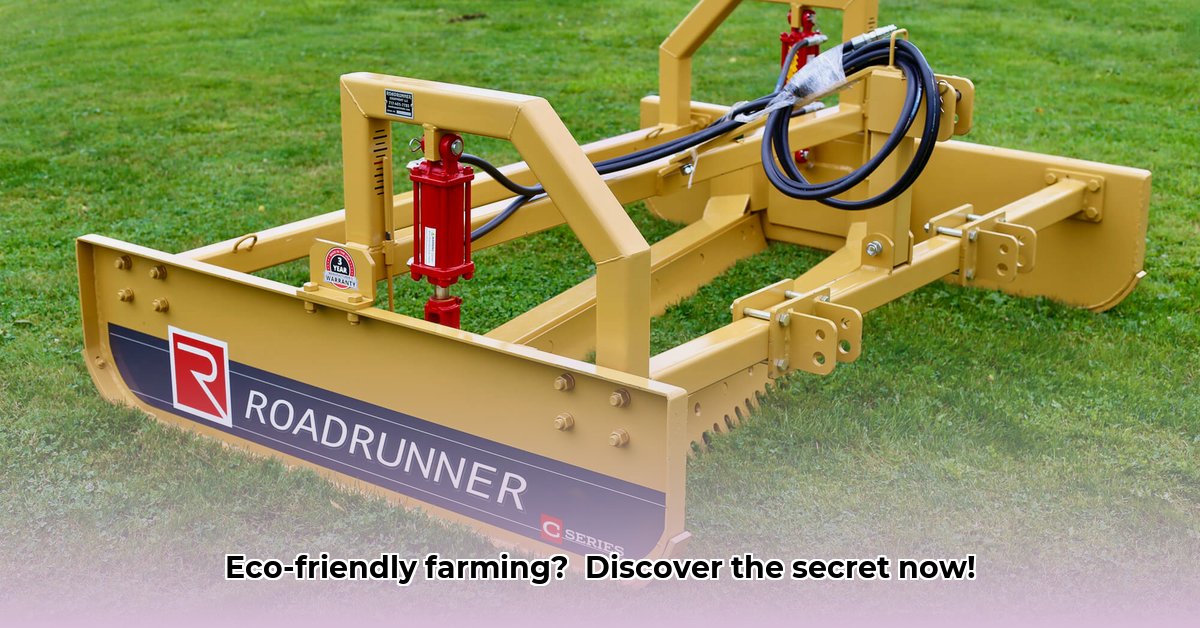
Scraper Blades for Sustainable Soil Management: A Practical Guide
Sustainable agriculture demands innovative practices, and even seemingly simple tools like tractor scraper blades play a crucial role. This guide explores how selecting and utilizing these blades can significantly enhance your farm's ecological footprint and operational efficiency. We'll delve into choosing the right blade, maximizing its effectiveness, and understanding the long-term economic and environmental benefits. Ultimately, we aim to equip you with actionable strategies to improve soil health and reduce your farm's impact on the environment. For more on tractor types, see this helpful guide: Tractor Types.
Understanding Your Tractor Scraper Blade: More Than Just Metal
A tractor scraper blade, despite its seemingly basic design, is a versatile tool used for tasks ranging from land leveling to ditch cleaning. However, its overall impact—positive or negative—rests heavily on its design and the materials used in its construction. Poorly designed blades can compact soil, hindering water absorption and plant growth, while a well-designed blade can promote drainage, prevent erosion, and cultivate healthier crops. This difference directly influences the sustainability of your farming practices. How can you ensure you are choosing the right blade for your soil type and farming operations?
Choosing a Sustainable Scraper Blade: Key Considerations
The sustainability of your scraper blade begins with its production. Prioritize blades made from recycled materials whenever possible—recycled steel, for example, boasts a smaller carbon footprint than newly manufactured steel. Engage directly with manufacturers; inquire about their production processes, focusing on energy efficiency and waste minimization. These details are pivotal in determining the blade's overall environmental impact.
Durability is another critical factor. A longer-lasting blade equates to fewer replacements, minimizing resource consumption and landfill waste. Opt for blades with robust construction and reinforced edges to extend their lifespan. Before making a purchase, ensure complete compatibility with your tractor to avoid reduced efficiency, increased fuel consumption, and additional soil compaction.
Optimizing Scraper Blade Use for Eco-Friendly Farming
Selecting the right blade is only part of the equation. Efficient usage is equally crucial in minimizing environmental impact. Follow these best practices:
- Precise Adjustment: Ensure the blade is correctly angled and adjusted for each task. Improper settings compromise performance and damage soil structure.
- Appropriate Speed: Maintain an optimal speed to avoid soil compaction (too fast) and wasted fuel (too slow). Balancing these factors is key to efficient operation.
- Consistent Maintenance: Regularly clean the blade to prevent material buildup and maintain peak performance. Sharpening when needed significantly extends the blade's useful life.
- Soil Monitoring: Closely observe soil response to blade use. Note any compaction or drainage improvements to fine-tune your techniques and maximize positive outcomes.
The Economic and Environmental Returns: A Long-Term Perspective
While a high-quality, sustainable scraper blade might have a higher upfront cost, the long-term advantages often outweigh this initial investment. The table below highlights the key differences:
| Factor | Sustainable Blade | Conventional Blade |
|---|---|---|
| Initial Cost | Higher | Lower |
| Lifespan | Significantly longer | Shorter, requiring frequent replacements |
| Maintenance | Less frequent and less intensive | More frequent and more intensive |
| Environmental Impact | Lower carbon footprint, less waste generation | Higher carbon footprint, more waste |
| Fuel Efficiency | Potentially better due to optimized design | Potentially lower due to wear and tear |
Investing in a durable and eco-friendly scraper blade is a fiscally responsible decision, leading to lower operating costs over time.
The Future of Sustainable Scraper Blades: Innovations on the Horizon
Ongoing research and development are continuously improving the sustainability of agricultural equipment. We can expect innovations in materials (like bio-based composites) and designs (blades that minimize soil disruption). Embracing these advancements is crucial for the future of sustainable farming.
Calculating ROI for Sustainable Scraper Blades in Small-Scale Farming
Understanding the return on investment (ROI) is critical for small-scale farmers. While a sustainable blade may present a higher initial investment, the long-term savings from reduced replacement costs, fuel efficiency, and improved soil health can significantly impact profitability. Let's outline how to calculate this ROI:
Step 1: Initial Investment: Calculate the total cost including purchase price, shipping, and installation.
Step 2: Blade Lifespan: Estimate the lifespan based on manufacturer specifications and expected usage.
Step 3: Annual Savings: Estimate savings from: reduced blade replacements, improved fuel efficiency, and increased crop yields due to better soil health.
Step 4: Annual Maintenance: Account for costs associated with cleaning, sharpening, and any necessary repairs.
Step 5: Net Annual Savings: Subtract annual maintenance costs from annual savings.
Step 6: ROI Calculation: Use the formula: (Total Annual Net Savings / Total Initial Investment) * 100 = ROI (%)
Remember to consider the intangible benefits like reduced environmental impact and enhanced brand image for your sustainably produced crops. Your investment in a sustainable scraper blade is an investment in the long-term health of your farm and the environment.